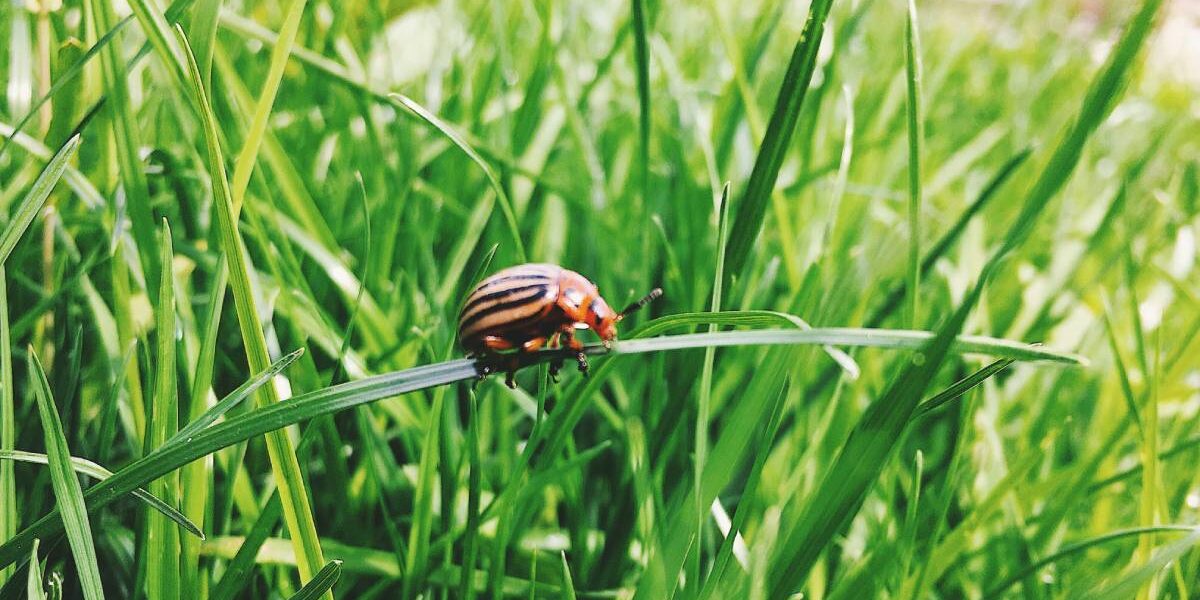
You have spent weekends mowing, watering, and fertilizing. You’ve invested time and money into creating a green oasis. But recently, you’ve noticed something is wrong.
Maybe it’s a brown patch that refuses to turn green, no matter how much you water it. Maybe the grass feels loose under your feet, or you’ve spotted moths hovering over the turf at dusk.
It’s frustrating. It feels like a battle you are losing, and if you are like most homeowners, you are worried that your lawn—and your curb appeal—is being destroyed from the inside out.
The good news? You don’t need to be a professional landscaper to win this war. Most lawn damage is caused by a handful of common culprits, and they all leave specific clues.
This guide is your tactical roadmap. We will move beyond the guesswork of “spraying and praying.” Instead, we will teach you how to diagnose the specific enemy based on the damage you see, and exactly how to eliminate them to save your turf.
Table of Contents
- The “30-Second” Featured Answer
- The Golden Rule: Don’t Guess, Test
- Symptom 1: Grass That Peels Up Like Carpet (Grubs)
- Symptom 2: Irregular Brown Patches in the Sun (Chinch Bugs)
- Symptom 3: Short, Chewed Grass Blades (Sod Webworms)
- Symptom 4: Mounds of Dirt and Tunnels (Mole Crickets)
- The Prevention Strategy: Integrated Pest Management
- Conclusion
- Frequently Asked Questions
The Core Strategy: Identify Before You Apply
How to Detect and Treat Lawn Pests: To save your lawn, first identify the damage pattern. If grass lifts like a carpet, you have sub-surface feeders (Grubs); if blades are chewed or yellowing, you have surface feeders (Chinch Bugs, Webworms). Confirm the pest using a “Soap Flush Test” (2 tbsp dish soap in 2 gallons of water poured on a patch). Once identified, apply a targeted Curative Treatment containing Imidacloprid or Trichlorfon for immediate control, followed by deep watering to activate the product.
The Golden Rule: Don’t Guess, Test
Before you buy a bag of harsh chemicals, you must confirm what is living in your grass. Misdiagnosing a pest problem as “drought stress” or “fungus” is the #1 reason lawns die.
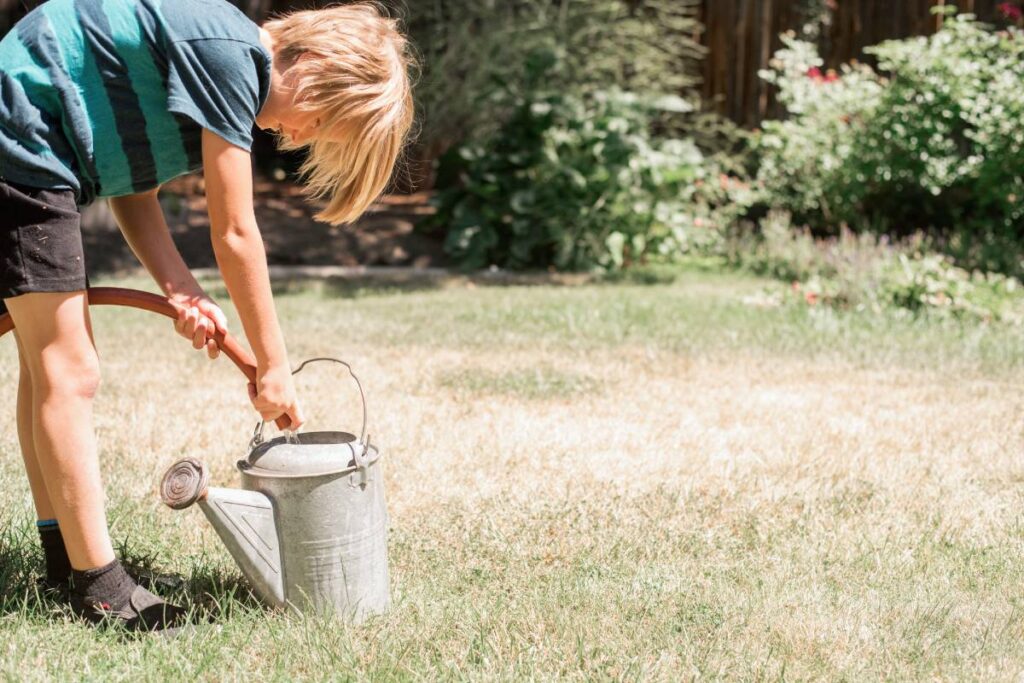
The Diagnostic Tool: The Soap Flush Test. This is the professional standard for bringing pests to the surface.
- Mix 2 tablespoons of lemon dish soap into 2 gallons of water.
- Pour the mixture over a 2×2-foot area where healthy grass meets damaged grass.
- Wait 5–10 minutes.
- Result: The soap irritates surface insects (like Chinch Bugs, Armyworms, and Mole Crickets), forcing them to climb to the top of the grass blades.
Symptom 1: Grass That Peels Up Like Carpet
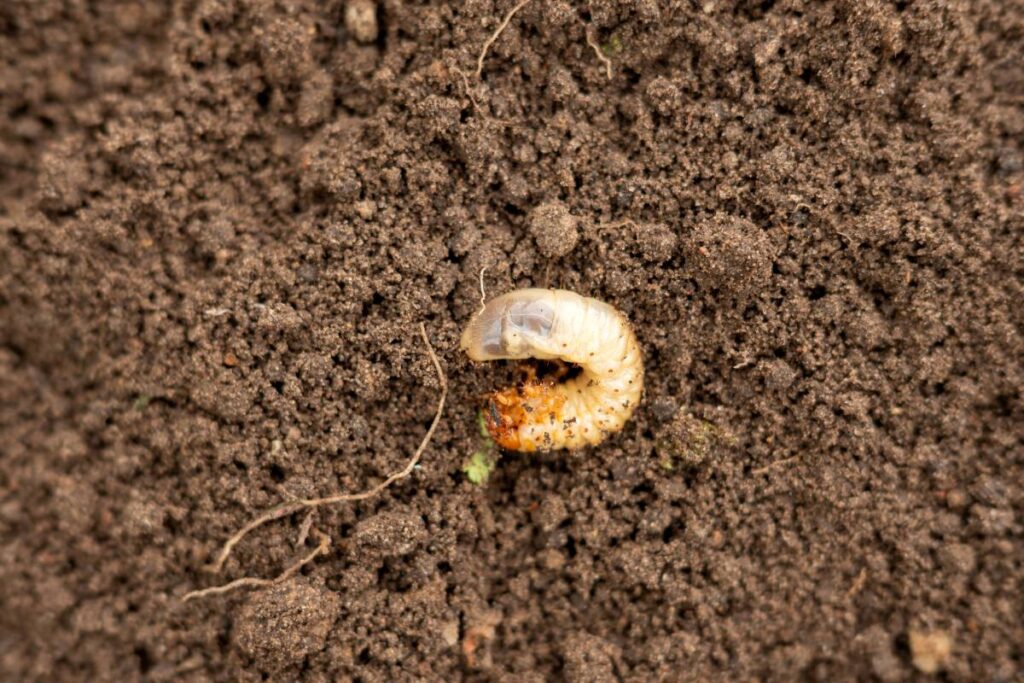
The Suspect: White Grubs (Larvae of Japanese Beetles or June Beetles).
If you can grab a handful of dead grass and lift it effortlessly—exposing the soil underneath—you have a grub infestation. Grubs live underground and sever the root system, literally detaching your lawn from the earth.
How to Confirm:
- Dig a 1-square-foot section of sod about 2 inches deep.
- Count the larvae. They are C-shaped, milky white, with brown heads.
- Threshold: If you see more than 5–10 grubs per square foot, immediate treatment is required.
The Treatment Plan:
- Curative (Right Now): You need a fast-acting killer. Look for products containing Trichlorfon (e.g., Dylox). This kills active grubs on contact. Note: You must water this in immediately for it to reach the root zone.
- Preventative (Next Season): Apply a preventative product containing Chlorantraniliprole (e.g., GrubEx) in late spring before eggs hatch.
- The Natural Alternative: Apply Beneficial Nematodes (specifically Heterorhabditis bacteriophora). These are microscopic worms that hunt and kill grubs without harming pets or pollinators.
Symptom 2: Irregular Brown Patches in the Sun
The Suspect: Chinch Bugs.
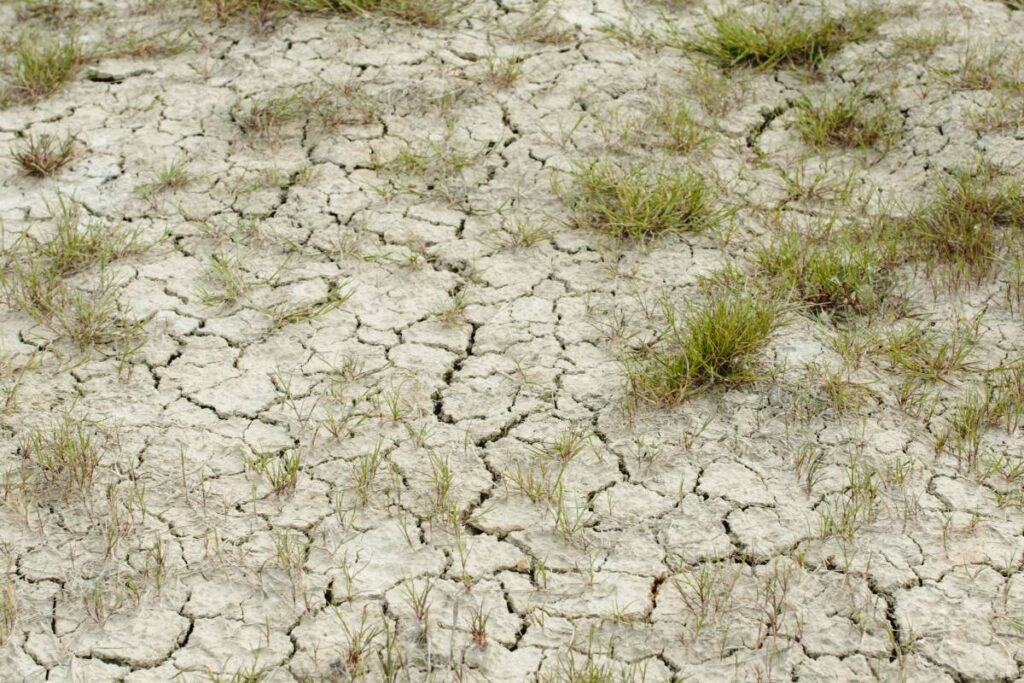
Chinch bugs are notorious for loving the heat. If you see irregular patches of yellow or reddish-brown grass expanding during the hottest part of the summer—especially near driveways or sidewalks where heat radiates—it’s likely Chinch Bugs. They inject a toxin into grass blades that stops water movement, starving the plant.
How to Confirm:
- Use the Soap Flush Test mentioned above.
- Look for tiny (1/5 inch) black bugs with white wings folded flat on their backs.
- Distinction: Unlike fungus, Chinch bug damage rarely occurs in the shade.
The Treatment Plan:
- Chemical: Use a liquid insecticide containing Bifenthrin or Lambda-cyhalothrin. Granular treatments are less effective for surface feeders unless watered in lightly.
- Cultural: Clear out Thatch. Chinch bugs live in the layer of dead organic matter between the grass and soil. If your thatch is thicker than 1/2 inch, dethatch your lawn to remove its hiding spot.
Symptom 3: Short, Chewed Grass Blades
The Suspect: Sod Webworms or Armyworms.
Does your lawn look like someone gave it a bad haircut? If the grass blades look unevenly chewed, or if you see small moths flying in a zigzag pattern over your lawn at dusk, you are dealing with caterpillars.
How to Confirm:
- Look closely at the soil surface for small green pellets (frass/droppings).
- Inspect the brown patches for “silky” webbing near the soil level (hence the name Webworm).
The Treatment Plan:
- Timing is Critical: Treat in the late afternoon or evening. These pests feed at night; applying treatment in the morning allows the sun to break down the chemical before the pests come out to eat.
- Product: Products containing Spinosad (organic option) or Carbaryl are highly effective against caterpillars.
Symptom 4: Mounds of Dirt and Tunnels
The Suspect: Mole Crickets.
These are the “monsters” of turf pests. They tunnel through the soil, severing roots and uprooting grass, leaving small mounds of dirt that feel spongy when you walk on them. They are particularly common in the southern United States and Australia.
How to Confirm:
- Mix 1.5 ounces of liquid dish soap in 2 gallons of water and pour over a 4 sq. ft. area.
- Mole crickets will surface quickly. They look like alien crickets with shovel-like front claws.
The Treatment Plan:
- Baiting: Because they tunnel deep, surface sprays often miss them. Mole cricket baits are often more effective. Apply baits in the late afternoon.
- Nematodes: The nematode Steinernema scapterisci is specifically effective against mole crickets and provides long-term control.
The Prevention Strategy: Integrated Pest Management (IPM)
The best defense is a thick, healthy lawn. Pests look for weak, stressed turf. Adopting an IPM approach means relying less on chemicals and more on biology.
- Mow High: Taller grass promotes deeper roots, making turf more resilient to root damage. Beyond mowing and watering, the resilience of your grass often traces back to its foundation. Ensuring you follow proper protocols when installing turf yourself—such as soil levelling and drainage checks—can prevent the waterlogging that attracts moisture-loving pests like Mole Crickets.
- Water Deeply, Infrequently: Watering every day keeps roots shallow. Watering heavily once a week forces roots down, away from surface pests.
- Encourage Predators: Birds, ground beetles, and ants often eat lawn pests. Don’t sterilize your yard with broad-spectrum insecticides unless necessary.
Conclusion: Take Back Your Turf
Detecting lawn pests doesn’t require a degree in entomology; it requires observation. By looking for the specific signals—lifting sod, chewed blades, or heat-loving patches—you can diagnose the problem accurately.
Remember: Identification is 90% of the battle. Once you know the enemy, the treatment is simple. However, if the infestation is widespread or you are unsure about handling chemical treatments safely, it is often smarter to call for backup. For example, experts like SWAT Pest Control Brisbane.com.au can diagnose specific regional pests and apply commercial-grade solutions that halt destruction faster than DIY methods.
Don’t let them eat your investment. Go outside, perform the “Soap Test” today, and reclaim your yard.
Have you battled a pest we didn’t mention? Drop a comment below and let us know what worked for you!
If you find that certain shady or damp corners of your yard are constantly overrun by pests despite your best efforts, you might consider mixing real and artificial grass. This hybrid approach allows you to keep the lush look of a live lawn while eliminating the ‘pest magnets’ in difficult areas.
Frequently Asked Questions
When is the best time to treat lawn pests?
The timing depends on the pest’s life cycle. generally:
- Grubs: Treat in late summer to early fall when larvae are small and feeding near the surface.
- Surface Feeders (Chinch Bugs/Webworms): Treat whenever active damage is visible, usually mid-summer.
- Prevention: Apply preventative treatments in late spring.
Are lawn pest treatments safe for pets and children?
Chemical treatments (like those containing Bifenthrin or Imidacloprid) require the lawn to be completely dry before pets or children re-enter. This usually takes 2–4 hours after watering. For a safer alternative, use Beneficial Nematodes or Milky Spore, which are biological treatments harmless to mammals.
Will my grass recover after grub damage?
If the root system has been completely severed (the “carpet lift” stage), that specific patch of grass is dead and will not re-root. You will need to rake out the dead material, add topsoil, and reseed or re-sod. However, if you catch the damage early (slight thinning), deep watering and fertilization can help the grass regenerate roots.
Does rain help or hurt pest control applications?
It depends on the target.
- For Grubs (Sub-surface): Rain is good. The water carries the insecticide down into the soil where the grubs live.
- For Chinch Bugs/Webworms (Surface): Rain is bad. Heavy rain can wash the treatment off the grass blades where these pests feed. Check the label for “rainfast” times.