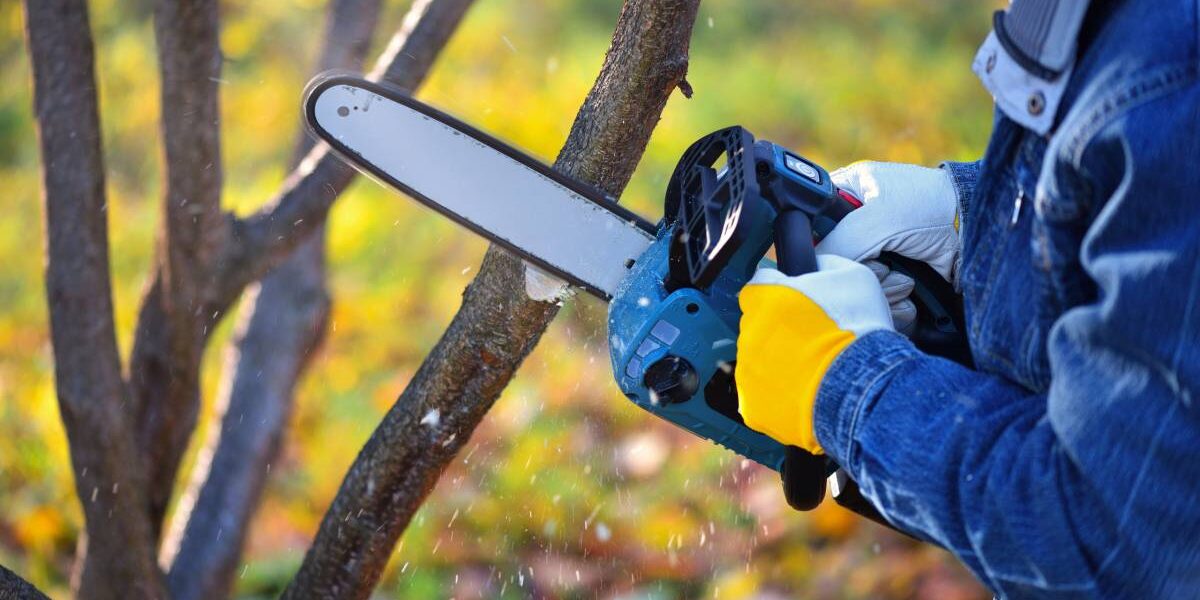
You call a local tree company. They show up, look at your overgrown tree, and say, “We’ll give it a good lop and that’ll sort it.” It sounds professional. It sounds routine. So you agree.
Six months later, your tree looks worse than before. Ugly stubs are sprouting weak, spindly growth. The bark is cracking. Something is clearly wrong.
This scenario plays out for thousands of homeowners every year, and the root cause is almost always the same: tree lopping was used when tree pruning was what the tree actually needed. These two terms are not interchangeable, and understanding the difference could save your trees from serious, long-term damage.
TL;DR: Are They Actually the Same
No, tree lopping and tree pruning are not the same thing. Tree pruning is a targeted, health-focused practice that removes specific branches to improve structure and growth. Tree lopping is the indiscriminate cutting of large branches or the tree’s top, often leaving stubs that stress the tree and invite disease. One supports tree health; the other can destroy it.
What Is Tree Pruning?
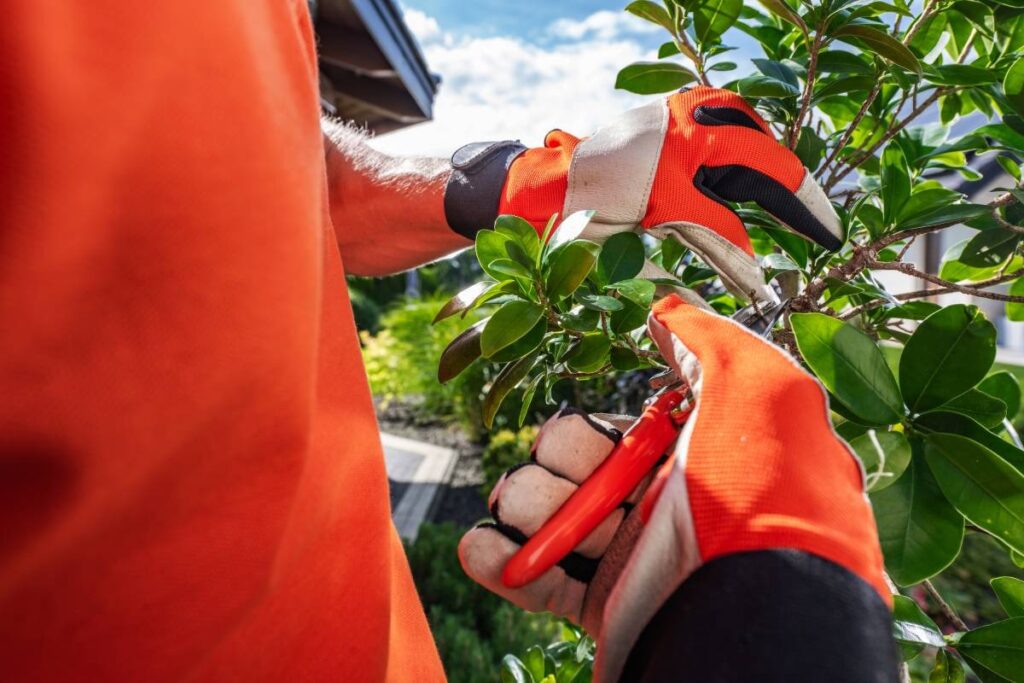
Tree pruning is a deliberate, science-backed practice rooted in arboriculture. It involves the selective removal of specific branches or stems to achieve clear, beneficial goals.
Pruning is performed with precision. Every cut is made at a specific point, usually just outside the branch collar, to allow the tree to seal the wound naturally and continue growing in a healthy direction.
Common reasons trees are pruned include:
- Removing dead, diseased, or damaged branches
- Improving air circulation through the canopy
- Shaping the tree’s structure during its early years
- Reducing weight on limbs that pose a safety risk
- Encouraging stronger, more productive fruit or flower growth
- Lifting the canopy to improve light access below
Pruning is the method recommended by certified arborists and industry bodies such as the International Society of Arboriculture (ISA). When done correctly and at the right time of year, it actively promotes long-term tree vitality.
Types of Pruning Cuts
| Pruning Type | Purpose |
| Crown Thinning | Removes select branches to reduce canopy density |
| Crown Lifting | Removes lower branches to raise the canopy height |
| Crown Reduction | Reduces the overall size while maintaining natural shape |
| Deadwooding | Removes dead or dying branches for safety and health |
| Formative Pruning | Shapes young trees for better structure as they mature |
What Is Tree Lopping?
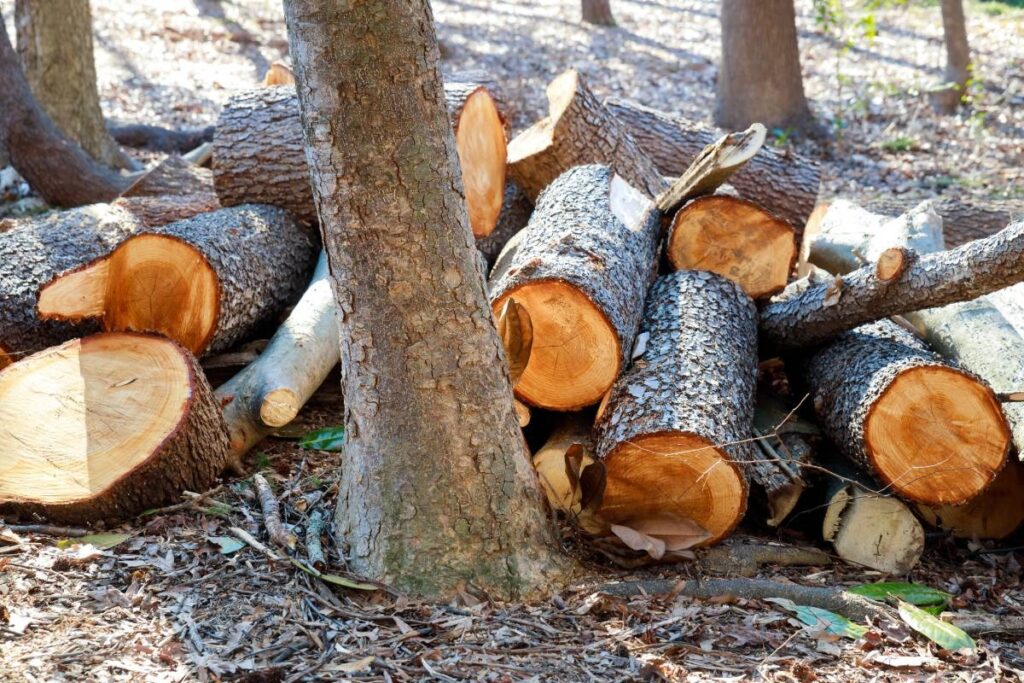
Tree lopping refers to the cutting of large sections of a tree, including major lateral branches or the entire top of the tree (a practice also called “topping”). The cuts are typically large, blunt, and made without regard for the tree’s natural branch structure or healing ability.
Lopping is often chosen because it is fast and cheap. It dramatically reduces the size of a tree in a short time. For contractors without formal arboricultural training, it is the path of least resistance.
What lopping typically involves:
- Cutting the main trunk at an arbitrary height
- Removing large primary branches with flat, stub-style cuts
- Reducing the tree’s canopy by a significant percentage in one session
- No consideration of branch collar placement or wound closure
The term “lopping” is most commonly used in Australia, New Zealand, and parts of the UK. In the United States, the equivalent practice is often called “topping.” Regardless of the name, the outcome for the tree is the same.
Key Differences at a Glance
| Factor | Tree Pruning | Tree Lopping |
| Cut Type | Selective, precise cuts at branch collar | Large, blunt cuts anywhere on branch |
| Goal | Tree health, structure, safety | Size reduction, quick clearance |
| Impact on Tree | Promotes healthy regrowth | Causes stress, shock, and vulnerability |
| Wound Healing | Tree seals wound naturally | Large wounds often cannot close properly |
| Regrowth | Strong, structured new growth | Weak, fast-growing “epicormic” shoots |
| Cost | Higher, reflects skill required | Lower upfront, higher long-term |
| Performed by | Certified arborists | Often general laborers or landscapers |
| Recommended? | Yes, widely endorsed | Rarely, only in specific circumstances |
Why Tree Lopping Can Be Harmful
This is the section most articles gloss over. The reality of what lopping does to a tree is important to understand before you approve any work.
1. It Creates Large, Unprotected Wounds
When a large branch is removed with a flat, blunt cut, the exposed surface area is enormous. Unlike a proper pruning cut made at the branch collar, these wounds do not trigger the tree’s natural compartmentalisation response effectively. Decay fungi and bacteria enter freely.
2. It Triggers Weak, Dangerous Regrowth
After lopping, a tree pushes out clusters of fast-growing shoots called epicormic growth. These shoots grow rapidly but are weakly attached to the underlying wood. Over time, they become heavy limbs with poor structural integrity, making the tree significantly more likely to drop branches unexpectedly onto your lawn, garden beds, or nearby structures below.
3. It Strips the Tree of Its Energy Source
A tree’s leaves are its food factory. Removing a large percentage of the canopy in one session forces the tree to exhaust its stored energy reserves just to survive. Repeated lopping can weaken a tree so severely that it never recovers.
4. It Can Shorten a Tree’s Lifespan Dramatically
Research cited by arboricultural authorities consistently shows that topped or lopped trees have a significantly shorter lifespan compared to properly maintained specimens. A tree that could have lived for another 50 years may begin a visible decline within 5 to 10 years of being lopped repeatedly.
The bottom line: What seems like a cost-saving decision today often leads to expensive tree removal within a decade.
When Is Lopping Ever Acceptable?
In most circumstances, lopping is not the right answer. However, there are a small number of situations where significant reduction cuts may be justified.
- Emergency storm damage: When a large portion of a tree has been catastrophically damaged and immediate removal of material is necessary for safety
- Pre-removal preparation: When a tree is already scheduled for full removal and cutting it down in stages is the safest approach
- Extreme hazard situations: When a structurally compromised tree poses an immediate, documented threat and no other option exists
Even in these cases, the work should be carried out by a qualified arborist who can assess the situation properly, not an unlicensed operator offering a cheap rate.
How to Choose the Right Service for Your Tree
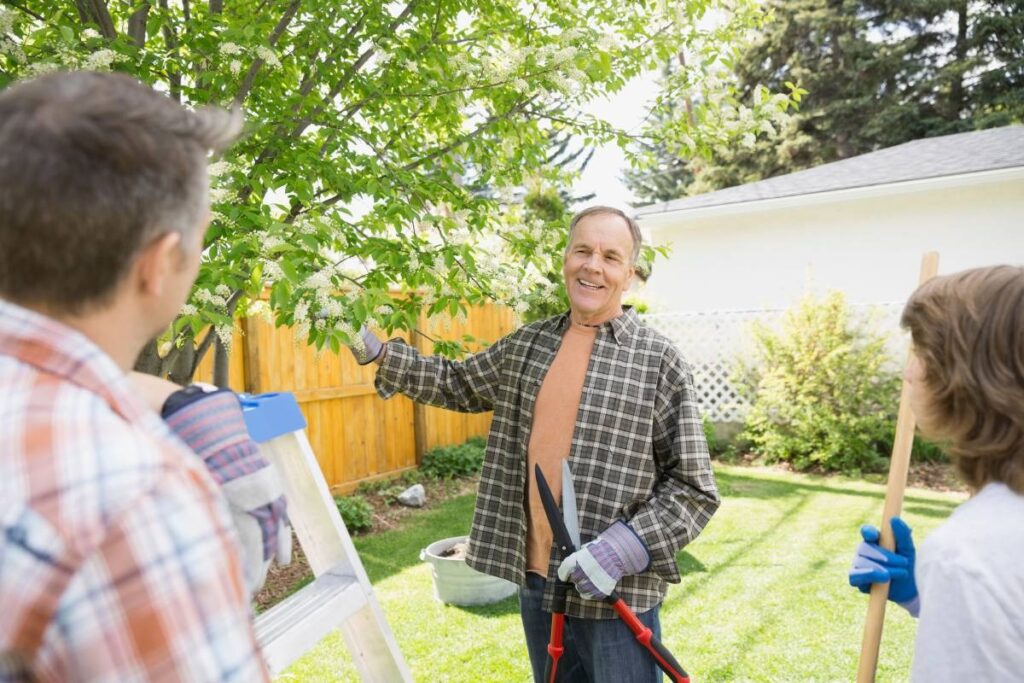
Start by asking yourself these questions about your situation:
Choose pruning if:
- Your tree is healthy, but overgrown or misshapen
- You want to remove dead or hazardous branches
- You are training a young tree’s structure
- You want to improve flowering, fruiting, or light access
- You are doing routine annual or biannual maintenance
Consider significant reduction or removal if:
- The tree is dead or severely diseased, with no recovery path
- The tree poses a documented structural safety hazard
- The tree is causing irreversible damage to property or infrastructure
When in doubt, always consult a certified arborist first. Many will provide an initial assessment and report that outlines exactly what work is needed and why. Companies like Wiktora Bros Tree Works approach every job with a health-first assessment before recommending any treatment, giving homeowners a professional, unbiased picture of their tree’s condition before any chainsaw comes near their property.
Questions to Ask Your Tree Contractor
Before you hire anyone to work on your trees, use these questions to separate qualified professionals from operators who may cause more harm than good.
- “Are you a certified arborist or do you employ one?” Look for ISA (International Society of Arboriculture) or equivalent local certification.
- “Can you show me where you will make each cut and why?” A professional can explain the reasoning behind every cut before making it.
- “What do you do to minimise wound exposure?” They should mention branch collar cuts and wound compartmentalisation.
- “Will this work improve or reduce the long-term health of my tree?” Watch for vague or evasive answers.
- “Do you carry public liability and workers’ compensation insurance?” Non-negotiable for any reputable tree service.
A trustworthy contractor will welcome these questions. Anyone who dismisses them or pressures you to skip ahead to booking is a red flag.
Conclusion
Tree lopping and tree pruning are fundamentally different practices with very different outcomes for your trees. Pruning is a skilled, health-first approach that works with a tree’s natural biology. Lopping is an aggressive reduction technique that, in most cases, creates more problems than it solves.
The key takeaways to remember:
- Pruning removes specific branches strategically; lopping removes large sections indiscriminately
- Lopping creates large wounds, weak regrowth, and long-term structural instability
- Lopping may appear cheaper upfront but often leads to costly removal within years
- Always verify the credentials of anyone performing significant tree work
- When in doubt, get a written assessment from a certified arborist before approving any work
If you are based in the local area and want an expert opinion you can trust, Wiktora Bros Tree Works offers professional arborist assessments and uses only pruning-led methods grounded in best-practice tree care.